World Menstrual Hygiene Day 2026 – Pad a Girl

Pad a Girl - 1

On 28 May 2026, World Menstrual Hygiene Day, the Our Teens Our Future Initiative (OTOFI) hosted a landmark one-day event at Our Lady of Apostles Girls’ College, Akwanga, Nasarawa State. The programme, themed Together for a #PeriodFriendlyWorld, brought menstrual health education, open dialogue, practical skills training, and essential hygiene supplies directly to adolescent girls who need them most.

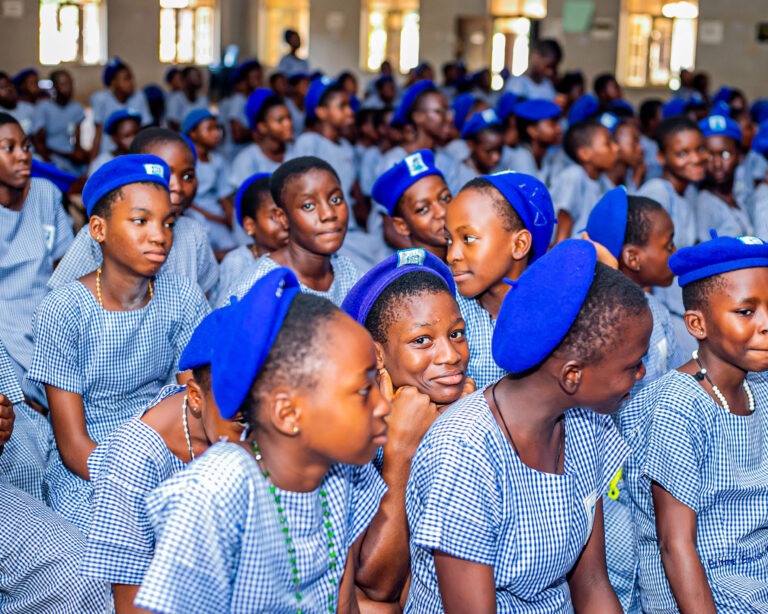
The event exceeded its original targets. More than 270 students from JSS 1 to SS 3 participated across all eight programmed sessions. Every student received a menstrual hygiene kit. Teachers and school administrators attended a dedicated briefing on building a period-friendly school environment. Baseline data were collected to guide OTOFI’s future programming at the school.

This report documents the event’s activities, outputs, and early outcomes, and sets out the next steps for OTOFI’s ongoing relationship with the school

In Nigeria, menstruation remains a significant but under-addressed barrier to girls’ education and wellbeing. Research shows that 23% of Nigerian girls aged 15–24 have missed school due to menstruation. Studies report that fewer than half of girls receive any preparation before their first period, and many resort to using rags, torn fabrics, tissue paper, or cotton wool in the absence of affordable sanitary products.

Our Lady of Apostles Girls’ College in Akwanga, Nasarawa State, where only 43% of in-school adolescents reported using proper menstrual materials, was selected as the site for OTOFI’s inaugural Menstrual Hygiene Day event. The choice reflects OTOFI’s commitment to begin where the silence is loudest and the need most acute.

The School Principal formally opened the event and welcomed OTOFI’s leadership and the attending health professionals. OTOFI provided an overview of the organization’s mission and introduced the significance of World Menstrual Hygiene Day and the global #PeriodFriendlyWorld campaign to the assembled students and staff.

A health professional, in partnership with OTOFI facilitators, delivered an interactive presentation covering the biology of menstruation, common myths and misconceptions, practical hygiene management guidance, pain management, and cycle tracking. Anonymous questions from students were addressed throughout the session. The session was well received, with high engagement; many students said it was the first time they had received structured information on menstruation.

A facilitated safe-space conversation allowed students to ask questions, share experiences, and voice concerns without fear of judgment. Anonymous written question cards were used for students who were not comfortable speaking aloud. Peer storytelling from senior students provided relatable, supportive narratives for younger students.

OTOFI facilitators demonstrated the correct use, folding, and disposal of sanitary pads, introduced reusable menstrual products and their environmental and cost benefits, and led a hand washing demonstration. Students practiced the steps and received tips for managing periods at school.

Each student received a menstrual hygiene kit containing sanitary pads and a printed menstrual health information card. Facilitators explained each item in the kit and provided guidance on where to access affordable products locally after the kits were used.

A concurrent session was held for teachers and school administrators on creating a period- friendly school environment. Topics included responding to a student who starts her period unexpectedly, maintaining emergency supplies, ensuring private and clean facilities, and integrating menstrual health into school health education. A teacher’s guide on menstrual health support in schools, developed by OTOFI, was distributed to all attending staff.

An anonymous, age-appropriate questionnaire was administered before the main educational
sessions to capture baseline data on menstrual health knowledge, current practices, access to
products, information sources, school absenteeism, and psychosocial experiences. A post-
session assessment using the same questions was administered at the close of the event. Data
are currently being analyzed by OTOFI’s MEL team.

The School Principal and OTOFI leadership gave closing remarks. Three students shared
reflections on what they had learned. The event closed with a group photo and a collective
#PeriodFriendlyWorld pledge moment. OTOFI announced its commitment to return for quarterly
follow-up programming. 

In Nigeria, menstruation remains a significant but under-addressed barrier to girls’ education and wellbeing. Research shows that 23% of Nigerian girls aged 15–24 have missed school due to menstruation. Studies report that fewer than half of girls receive any preparation before their first period, and many resort to using rags, torn fabrics, tissue paper, or cotton wool in the absence of affordable sanitary products.

Our Lady of Apostles Girls’ College in Akwanga, Nasarawa State, where only 43% of in-school adolescents reported using proper menstrual materials, was selected as the site for OTOFI’s inaugural Menstrual Hygiene Day event. The choice reflects OTOFI’s commitment to begin where the silence is loudest and the need most acute.

The School Principal formally opened the event and welcomed OTOFI’s leadership and the attending health professionals. OTOFI provided an overview of the organization’s mission and introduced the significance of World Menstrual Hygiene Day and the global #PeriodFriendlyWorld campaign to the assembled students and staff.

A health professional, in partnership with OTOFI facilitators, delivered an interactive presentation covering the biology of menstruation, common myths and misconceptions, practical hygiene management guidance, pain management, and cycle tracking. Anonymous questions from students were addressed throughout the session. The session was well received, with high engagement; many students said it was the first time they had received structured information on menstruation.

A facilitated safe-space conversation allowed students to ask questions, share experiences, and voice concerns without fear of judgment. Anonymous written question cards were used for students who were not comfortable speaking aloud. Peer storytelling from senior students provided relatable, supportive narratives for younger students.

OTOFI facilitators demonstrated the correct use, folding, and disposal of sanitary pads, introduced reusable menstrual products and their environmental and cost benefits, and led a hand washing demonstration. Students practiced the steps and received tips for managing periods at school.

Each student received a menstrual hygiene kit containing sanitary pads and a printed menstrual health information card. Facilitators explained each item in the kit and provided guidance on where to access affordable products locally after the kits were used.

A concurrent session was held for teachers and school administrators on creating a period- friendly school environment. Topics included responding to a student who starts her period unexpectedly, maintaining emergency supplies, ensuring private and clean facilities, and integrating menstrual health into school health education. A teacher’s guide on menstrual health support in schools, developed by OTOFI, was distributed to all attending staff.

An anonymous, age-appropriate questionnaire was administered before the main educational
sessions to capture baseline data on menstrual health knowledge, current practices, access to
products, information sources, school absenteeism, and psychosocial experiences. A post-
session assessment using the same questions was administered at the close of the event. Data
are currently being analyzed by OTOFI’s MEL team.

The School Principal and OTOFI leadership gave closing remarks. Three students shared
reflections on what they had learned. The event closed with a group photo and a collective
#PeriodFriendlyWorld pledge moment. OTOFI announced its commitment to return for quarterly
follow-up programming. 

The programme successfully reached over 300 adolescent girls with comprehensive menstrual health education and distributed 350 menstrual hygiene kits. All planned activities were completed, including teacher training for 18 school staff, baseline and post-event assessments, and comprehensive event documentation. The initiative also established a formal partnership between OTOFI and Our Lady of Apostles Girls’ College.

The programme successfully reached over 300 adolescent girls with comprehensive menstrual health education and distributed 350 menstrual hygiene kits. All planned activities were completed, including teacher training for 18 school staff, baseline and post-event assessments, and comprehensive event documentation. The initiative also established a formal partnership between OTOFI and Our Lady of Apostles Girls’ College.

Scroll to Top