
Why Nigerian Teens Are Not Ready for the Future
Across Nigeria, a growing number of young people are entering adulthood without the skills required to navigate an increasingly complex and competitive economy. While formal education remains important, it often fails to equip adolescents with practical, digital, and entrepreneurial skills needed for real-world success.
According to insights from global development institutions, including the World Bank and ILO, youth unemployment and underemployment remain persistent challenges in Nigeria. A key driver of this issue is the disconnect between what young people learn in school and what the labour market demands.
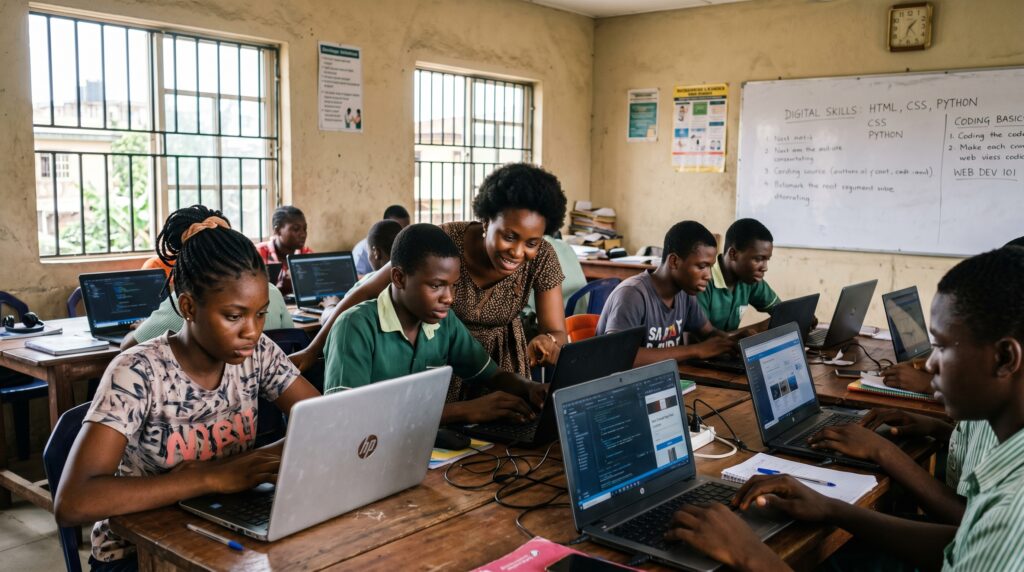
For adolescents aged 12–18, the absence of early exposure to skills development creates long-term disadvantages. Without access to vocational training, digital literacy, and financial education, many young people struggle to transition into economic independence. This not only affects individuals but also limits national productivity and innovation.
The skills gap is particularly severe in underserved communities, where access to training facilities, mentors, and technology is limited. As a result, many talented young people are unable to fully realise their potential.
Closing this gap requires intentional, well-designed interventions that go beyond theory. Skills development programmes must be practical, accessible, and relevant, combining technical training with mentorship and real-life application. When adolescents are equipped with the right tools early, they are better positioned to create opportunities, build businesses, and contribute meaningfully to their communities.
Investing in adolescent skills is not just about employment, it is about building a generation that is capable, confident, and prepared for the future.